The Future of Video Production: Sustainability, Innovation and Profit Hand in Hand!
How sustainability is transforming film and video production, with green practices and innovations that make shoots more responsible and profitable.
 By Mariana Sierra Published Oct 17, 2024 Updated Jun 14, 2025 6 min read
 >>In a hurry?
In this post, I discuss how it's possible to transform film and video production, overcoming challenges like deadlines and costs, by taking a sustainable and innovative approach. I highlight the importance of sustainability, which goes beyond the conscious use of resources by building green practices into every stage of the creative process, and I stress the need to curate and mentor talent to nurture the next generation of creators. I also talk about hiring regionally, which values local talent and enriches the stories we tell, and about how strategic partnerships can optimize resources and promote sustainable practices. I conclude that, by embracing these approaches, production can become a catalyst for meaningful change, connecting and inspiring society.
Another production is on its way. Everyone is worried about the deadline, about the crew that's been hired, about the shoot being in another city. Everything seems harder and more expensive, but it doesn't have to be.
What if I told you it's possible to step out of your comfort zone and deliver great results for the project, for the people involved and even for society as a whole?
At the heart of film production lies a transformative force that goes beyond mere entertainment. Smart production, when guided by a bigger purpose, becomes an act of courage and innovation in a fiercely competitive market. In times of constant change, innovating without forgetting to renew stands out as an essential pillar. It's not just about preserving resources, but about making sure every project has a positive and lasting impact on the planet.
SUSTAINABILITY
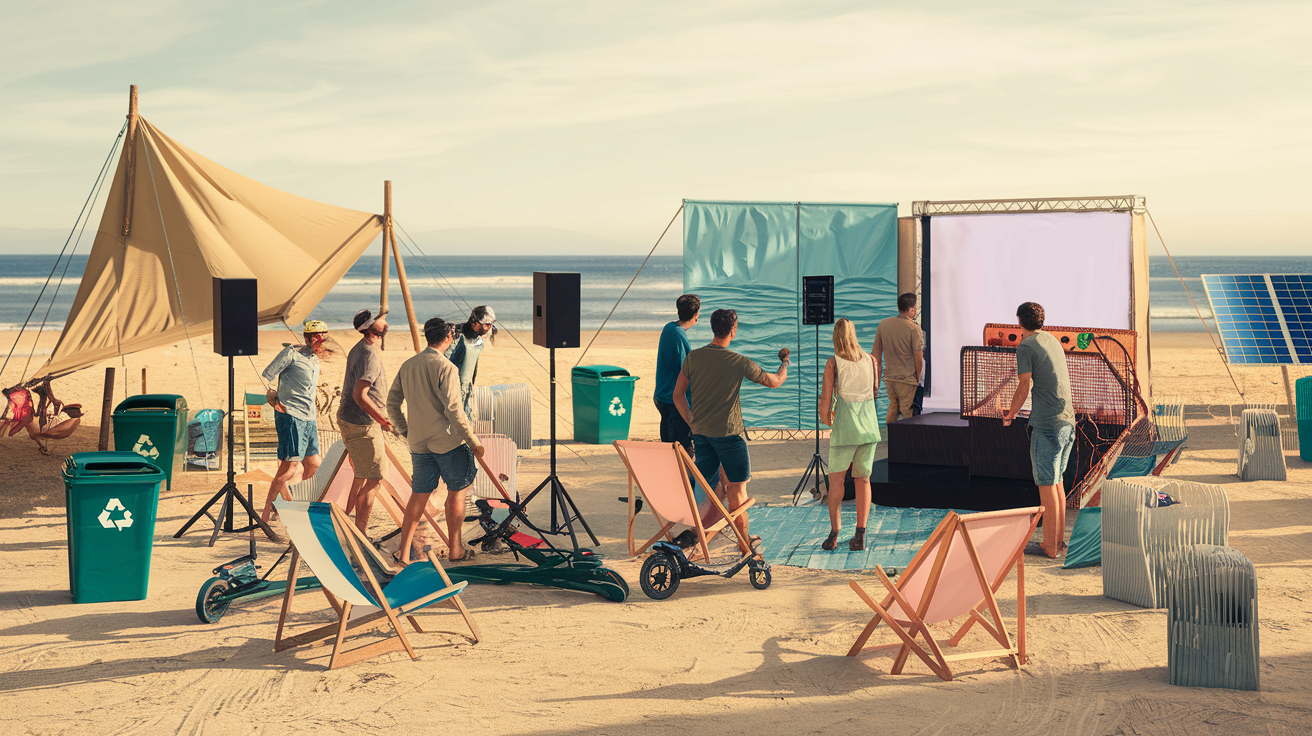
In film production, sustainability goes beyond the conscious use of material resources. It's a holistic view that builds green practices into every stage of the creative process. From choosing shooting locations that respect the environment to bringing green technology onto sets, every decision can help shrink the carbon footprint. Efficient equipment, smart planning that cuts down on travel, shared transportation for crews, and waste reduction are practices that, added together, make a significant difference. This approach doesn't just protect the planet; it also resonates with an audience that is increasingly aware of and engaged with environmental issues, both inside agencies and brands and in the homes of end consumers.
Sustainability in production also means creating content that educates and inspires behavior change. Stories that highlight the importance of environmental conservation, or that show sustainable alternatives in everyday life, have the power to influence audiences in a positive way. By including themes, and a behind-the-scenes, that reflect the urgency of ecological issues, productions can act as agents of change, encouraging a culture of environmental responsibility. Sustainable thinking shows up not only in practice but also in storytelling, amplifying its message and impact.
CURATION AND MENTORSHIP
Curating and mentoring talent is essential for a new generation of creators to emerge in film and video. This process involves identifying and nurturing people with the potential to innovate and challenge conventions. By offering expert guidance, mentors play a crucial role in helping these talents develop their skills and find their own voices, while also reassuring clients who are worried about the quality of the work being produced. But it's not just about teaching technique; it's about inspiring confidence and creativity, letting new ideas flourish in a supportive and innovative environment. This approach keeps the industry renewing and diversifying itself, reflecting a multitude of perspectives and stories.
Beyond technical development, curation and mentorship create a space where collaboration and the exchange of ideas are encouraged. Building these support networks doesn't just strengthen individuals; it builds resilient creative communities. By connecting emerging talent with experienced professionals and the right resources, we make it possible to share knowledge and experience across generations. This collaborative environment fosters innovation and experimentation, both essential for the ongoing evolution of visual storytelling. Through this cycle of learning and growth, the industry not only adapts to new demands but also leads the way toward a more inclusive and dynamic future.
REGIONAL HIRING
Hiring regionally is a powerful strategy for diversifying stories and making them more authentic, and it's also grounded in saving resources. By valuing local talent, productions gain cultural authenticity, capturing nuances and perspectives that only people who live that local reality can offer. This approach doesn't just enrich the stories being told; it also strengthens regional economies, creating jobs and development in areas often overlooked by big productions centered in a few major cities (in Brazil, mostly São Paulo and Rio de Janeiro). On top of that, local talent can bring smart solutions to problems that may come up on the ground, since they're the experts on them.
Beyond the economic and cultural impact, regional hiring drives innovation in the industry. Local talent brings new ideas, techniques and aesthetics that challenge the status quo and bring freshness to productions. This diversity of thinking and creativity results in richer, more varied content, able to resonate with global audiences while keeping a strong local identity. By supporting the growth of creative hubs outside the big centers, the industry doesn't just expand; it becomes more resilient and adaptable. It's an ongoing investment that tends to add value and make the work easier for everyone involved.
STRATEGIC PARTNERSHIPS
Strategic partnerships are the backbone of a successful production. By joining forces with companies, organizations and individuals who share common values and goals, productions can tap into a more diverse range of resources, knowledge and experience.
To help inspire you, here are a few examples, and at the end of the post, some links with more information.
- By teaming up with companies that develop sustainable technologies, such as cloud-based editing platforms that minimize the need for physical infrastructure, a production can significantly cut operating costs related to energy use and logistics.
- Partnering with local universities or technical schools that offer film and video programs can be an effective strategy for curating and mentoring talent. These institutions can provide internships or hands-on learning opportunities for their students on productions, lowering hiring and training costs for the production team.
- Partnering with NGOs that promote sustainable practices can add environmental and economic value to a production. These organizations can offer guidance on making the production greener, helping to implement practices that reduce waste and carbon footprint.
- Working with regional development agencies and film commissions can provide tax incentives and access to local resources at reduced prices. These agencies often aim to promote the economic and cultural development of their areas, and supporting productions can be part of that strategy. By using regional locations, services and talent, a production can cut costs while contributing to local economic growth. This can also make it easier to get permits and logistical support, speeding up the production process and reducing unexpected expenses.
An approach that brings together sustainability, talent curation, regional hiring and strategic partnerships in the production process may seem at first to require significant investment. However, a cost-benefit analysis shows that the long-term financial impact is overwhelmingly positive. By adopting sustainable practices, for example, productions can reduce operating costs tied to energy use and wasted materials, leading to substantial savings over time. Regional hiring can also lower travel and lodging expenses for crews, while strengthening local economies and potentially attracting regional tax incentives.
At the core of this approach is the courage to implode the box: to break with convention and embrace the unknown. This concept isn't just a slogan; it's a call to action to challenge the status quo.
The real revolution in film production is the one that helps society by helping individuals. Every story told, every image captured, is an opportunity to connect, inspire and transform. It's time to reimagine the role of film and video as a catalyst for meaningful change, a beacon guiding humanity toward a more dynamic and inclusive future.
Who's in?
Want personalized help? Get in touch and let's talk!
Useful links (in Portuguese):
Sustainability guide for the audiovisual sector - SICAV (Rio de Janeiro audiovisual industry union)
Sustainable Filming Guide - SPCine (São Paulo's film commission)
Cinema Verde - On-set sustainability consulting
Set Sustentável - On-set waste management consulting
Comments
No comments yet. Start the conversation.